
Thomas Philipot was born in the early 17th century. His father, John Philipot, had risen from humble beginnings as an apprentice to a draper in the City of London to prestigious positions in the Herald of Arms, taking part in the funeral of James I and the coronation of Charles I. He was elected MP for Sandwich in 1628 and served for a year until Charles I dissolved Parliament. He was a Royalist, loyal to Charles I during the English Civil War. When he accompanied the King to Oxford in 1643, he was created a Doctor of Law (an honour today bestowed on foreign heads of state). But he was to lose his power and influence when he was captured by the Parliamentarians in 1645 and taken prisoner for a short time. He died in November of that year “in great obscurity”. Charles I was beheaded in 1649.
Thomas was born during the rise in the career of his father and was around 14 years old when his father was an MP. Five years later he was admitted to study at Clare Hall, Cambridge University and then studied at Oxford. He went on to become an author and poet and published books on many subjects, including poetry and suicide. A fellow Oxford student wrote of Thomas “he was, by those that well knew him, esteemed a tolerable poet when young, and at riper years well versed in matters of divinity, history and antiquities.”
In 1659, 14 years after the death of his father, he published Villare Cantianum, an illustrated book describing all the parishes, boroughs, villages and manors in Kent

Thomas Philipot died in 1682. It is believed that Thomas plagiarised his father’s work in Villare Cantianum, passing it off as his own and that, wracked with guilt, he left the bulk of his estate to the Clothworkers Company, for the provision of six almshouses for the poor of Eltham and Chislehurst.
The Clothworkers Company refused the bequest “it appearing to be both burdensome and disadvantageous to the Company”. In 1685, three years after Thomas Philipot’s death, eleven local trustees were appointed to take responsibility for the almshouses, a structure that has continued to this day.
The Almshouses
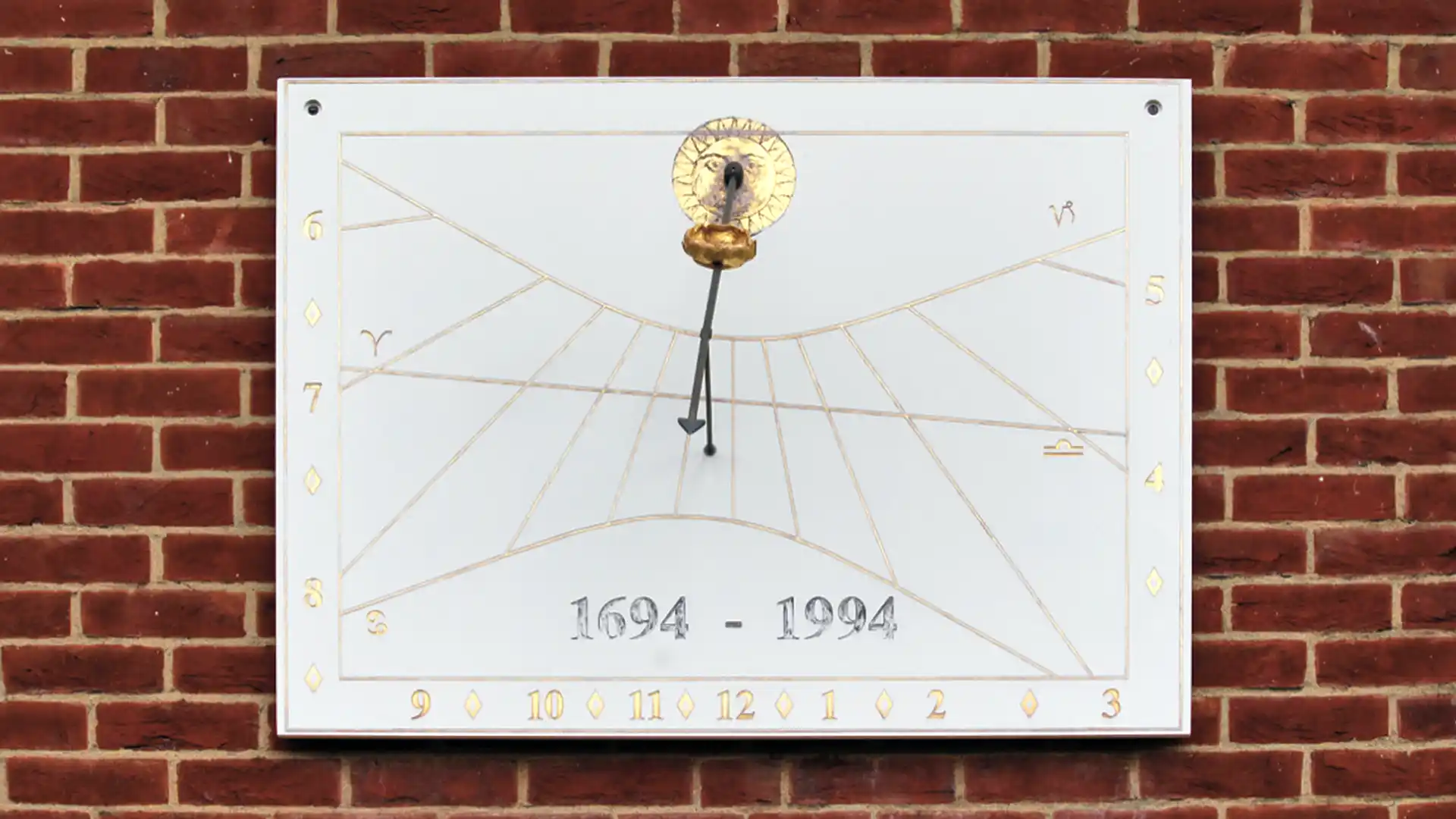
The first almshouses for six residents were built in Eltham High Street in 1694. An additional terrace for three residents was constructed in Blunts Road, off the High Street in 1872, and a building for three more residents was built on the corner of Roper Street in 1887.
In 1926 the then Woolwich Borough Council wished to purchase the original almshouses and the Roper Street property in order to widen the High Street. The Trustees accepted an offer to purchase the present larger site. By 1930 nine units had been built on the new site in separate terraces of three and six houses, along with accommodation for a nurse.


The houses in Blunts Road were sold in 1968 and remain in residential use to this day.
In 1974, the Trustees obtained planning permission to build additional flats by infilling between the two existing blocks and building a new three-storey block of 12 flats suitable for disabled occupation, bringing the total to 36 flats. The existing accommodation was also upgraded to include bathrooms – prior to this, residents had to visit public baths. A communal hall was also built, and the work was completed by 1983.
In 1988, a legacy from Mary Spears funded the building of a bungalow for a warden who was previously housed within an almshouse.